

Awareness of a car's blind spots: Safety begins with Insight
The blind spot is the area around a car that is invisible from inside the vehicle. These areas are also known as blind spots and can lead to life-threatening traffic situations if drivers are unaware of their presence and do not take the necessary precautions. In today's busy traffic, there are countless challenges that motorists face. In this blog, we delve deeper into a car's blind spots and offer essential tips to ensure safety on the road.
What are blind spots?
Blind spots refer to the areas around a vehicle that are not visible through the rearview mirrors or side mirrors. They are blind spots where other vehicles, cyclists, pedestrians, or objects can disappear and become invisible to the driver. The most common blind spots are located on the sides and rear of a car. In normal passenger cars, this area is relatively small, especially when compared to taller vehicles such as trucks and buses.
The dangers of blind spots:
Ignoring or being unaware of blind spots can have serious consequences. Many accidents occur because drivers fail to see other vehicles in their blind spots when changing lanes, turning, or merging. This can result in collisions, accidents involving cyclists or pedestrians, and even life-threatening situations. It is crucial to understand how blind spots work and what measures we can take to minimize them.
How can you reduce blind spots?
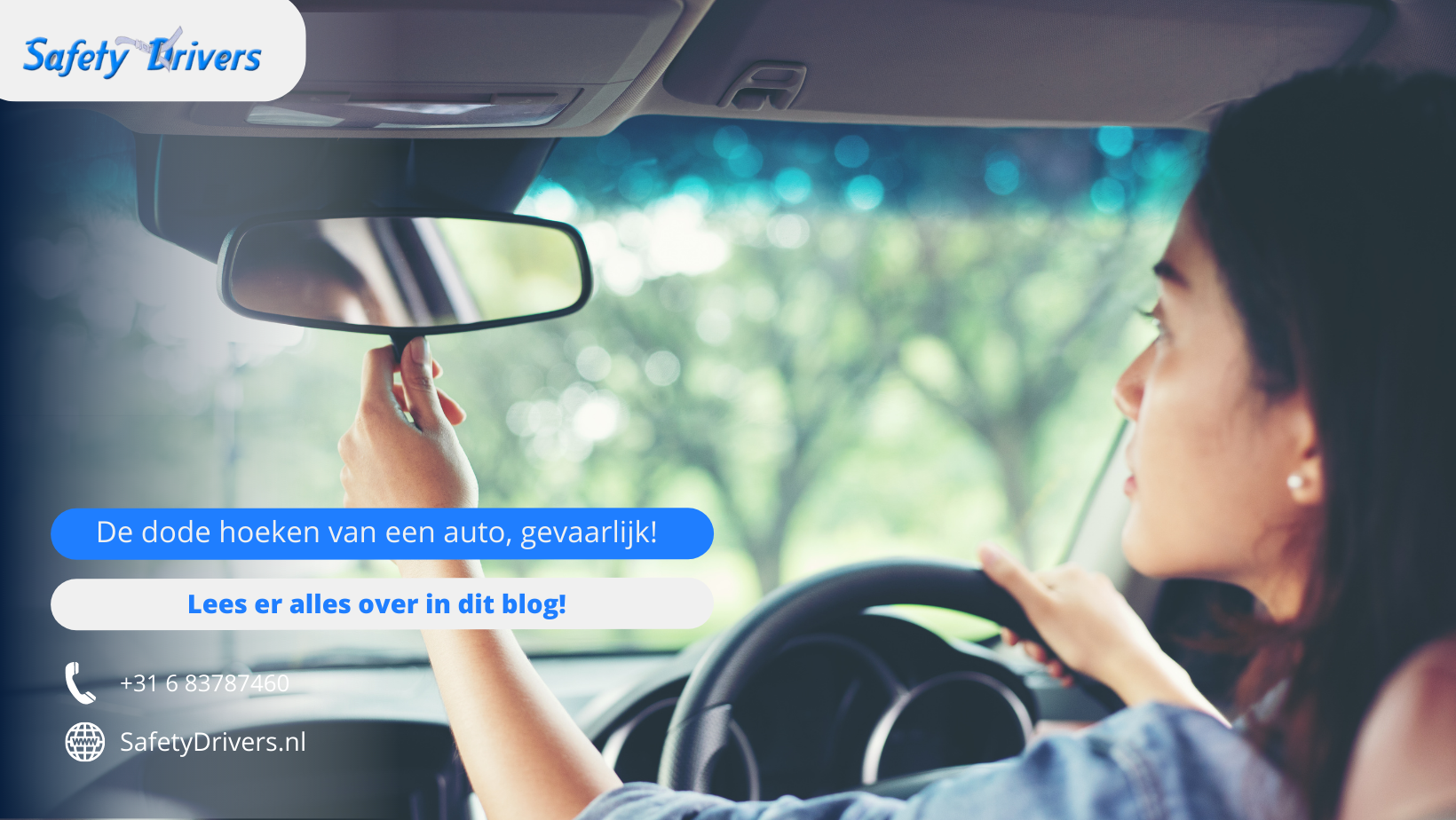
Mirror adjustment: Ensure that all mirrors are correctly adjusted before you hit the road. The side mirrors should be positioned so that the sides of your car almost disappear from view or that you can only see the door handles. This increases the field of view and reduces the size of blind spots.
Head movements: Make it a habit to turn your head and look over your shoulder before changing lanes, turning, or merging. This extra look at blind spots can provide crucial insight and help prevent you from overlooking another vehicle.
Use of technology: Modern cars are often equipped with advanced technological features that can help reduce blind spots, such as blind spot warning systems. These systems provide visual or auditory signals when a vehicle is in your blind spot, alerting you to potential dangers.
Avoid rushing: Take your time and be patient while driving. Rushing may lead to taking unnecessary risks and increase the chance of not noticing vehicles in your blind spots. Be alert and give yourself enough time to safely change lanes or turn.
Finally, why is awareness important?
Understanding a car's blind spots is essential for safe driving. Taking the right precautions, such as properly adjusting mirrors, using head movements, and utilizing technology, can significantly reduce the risk of accidents. Road safety begins with awareness and responsibility. Let us all do our part to understand blind spots and continue actively striving for a safer driving environment for everyone.